Journal · Science · 8 September 2026 · 6 min
The night you lose testosterone
Five hours in bed is not a personality. It is a hormone event — and the face keeps the receipt.
Journal · Science · 8 September 2026 · 6 min
Five hours in bed is not a personality. It is a hormone event — and the face keeps the receipt.
Testosterone in men is not a steady drip. It is a night shift. Luteinizing hormone pulses through the dark, the testes answer, and by morning the blood holds the result. Cut the night short and the pulse train shortens with it.
A University of Chicago study put healthy young men on five hours of sleep for a week. Daytime testosterone fell by ten to fifteen percent — the sort of drop that usually takes ten to fifteen years of ageing. They were not unwell. They were under-slept.
Five hours a night for a week can cut testosterone as much as a decade of ageing.
Slow-wave sleep dominates the first hours. REM gathers later. Both matter for the hypothalamic–pituitary–gonadal axis, but the late window is when the largest testosterone rise usually lands. A 23:00–04:00 sleep is not a compressed version of 23:00–07:00. It is a different night.
The face notices before the lab does. Lower androgen tone shows up as slower barrier repair, flatter mood, and a kind of dullness no serum can out-formula. Sleep is not a wellness accessory. It is the first active.
Journal notes are for curiosity, not diagnosis. Speak to a clinician before changing medicine, supplements, or training.
In the house

Retinal and peptides. The overnight rebuild.
$88
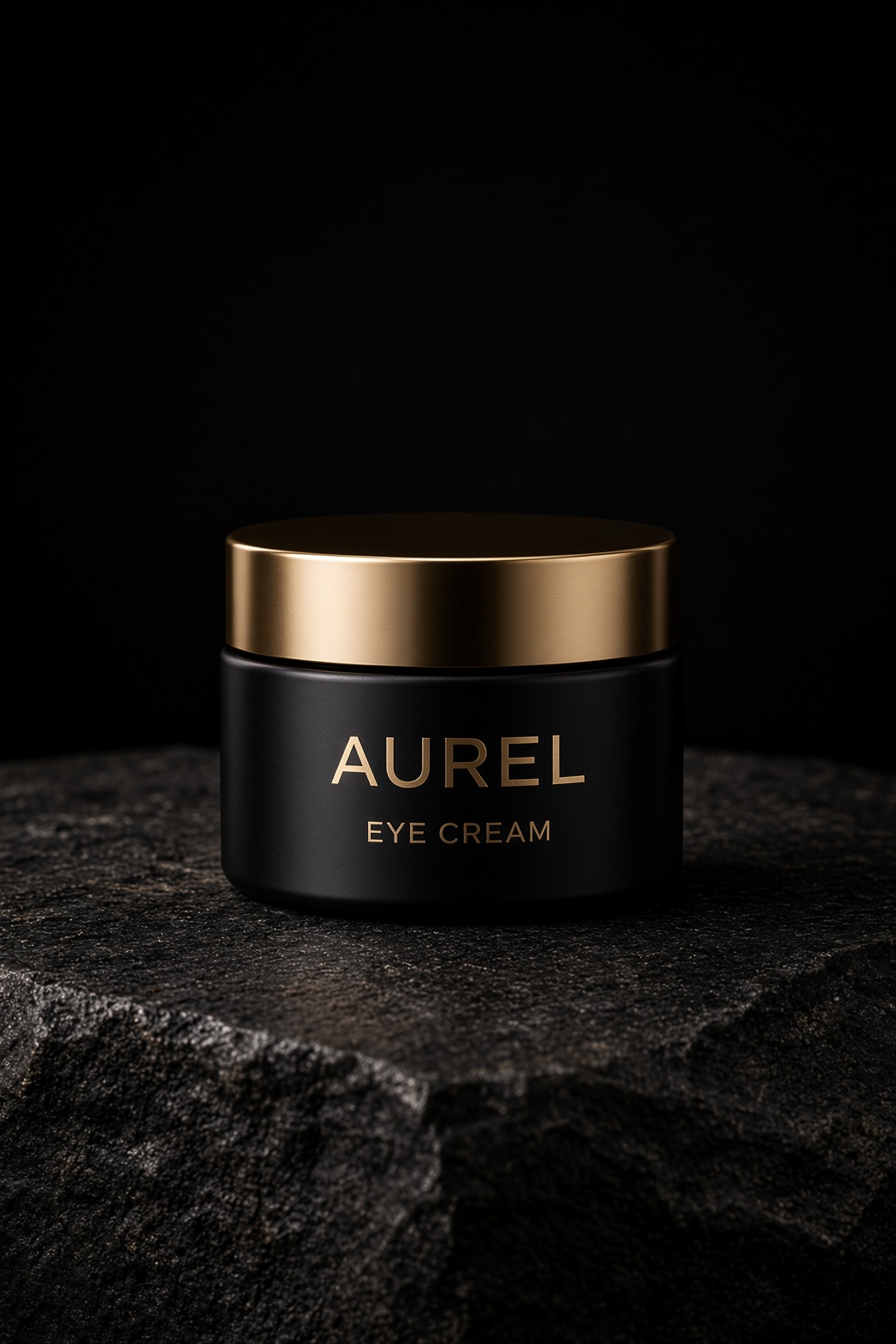
Caffeine and peptides for the orbital bone.
$62